Digital Transformation is the buzz word of the day. Whether TMF is saying it or Lightreading is reporting it, CIOs are doing it. Here is an example roadmap for transforming operations for the business’s digital transformation. This 4-step process leverages much of what the industry has already said. I have interweaved some color and advice . I hope you find it useful and comment below.
Step 1: Acceptance
First, your organization needs to buy into the fact that something has to change. Buy-in for digital transformation is the key to success. While 100% agreement is not possible, getting an overwhelming majority will reduce timelines. Forming a committee with regular cadence calls can assist on collection of use cases. As a sound board, they can be the voice of the organization. They will also provide you cover during the transformation process.
Here is some advice to help people get in the boat. Some will doubt the need for change. To those doubters, I would pose the following questions:
- What % of the time does operations spend on firefighting?
- What does your customers say about the quality of the services you provide?
- How many compromises does your team make to “get the job done”?
- Does 25% YOY staff turnover frighten you?
These questions are the canaries in the coal mine for impacting digital transformation. If you cannot focus on improvement, growth, and resiliency – the organization is in danger. When the business is changing to a more agile footprint, operations gets left behind — or even worse, becomes the roadblock.

Step 2: Selection
Change scares people and organizations and digital transformation can get scary. When it comes to selection, it must be a sober, deliberate decision. RFIs are a common method for initiating change. The trouble is the net you cast. If you only send the RFI to your pre-existing vendors, you will get lots of the same.
I recommend that you start with a google search on “Operations transformation”, then “IT transformation”. The results should net you some NEPs/DEPs (EMC, Huawei) and Global SI players (Accenture, Deloitte). If you are a fortune 500, they will be very kind to you and expect big money. If you have a relationship with these guys, I recommend calling upon them and seeing the “big pitch”. Its great for context and helps to understand the commitment involved in transformation.
The next step would be to call some analysts. I have had great experiences with Analysys Mason, Appledore Research, and Gartner. They can tell you what other customers have done. Attend some webinars and trade events can help get you connected to the trend setters. This will help you round out the group you want to invite into the RFI process.
With the RFI executed, you will want to review the material and cut down to 5 or less parties. Make sure you have a global SI, a NEP/DEP, and some trend setters in the bunch. Ask for presentations and documentation of best practices. Get as much information as possible, creating quality requirements is key.
Within the transformation workgroup, create a top 10/25 list from each member of key issues. Apply your use cases and develop a list of requirements (<100 items). Add to it a ratings system to keep it fair, to the point. If you value verification of technical compliance (ie. support for Cisco IOS Y/N, etc), add another sheet. Another tip; you can always demand entries to combine their offerings. This firms up and consolidates your options. Use this list with your procurement team to create the RFP. Give at least 2 weeks to respond, and no more than 4 weeks. Stick to your schedule and grade the entries responses.
Work within the workgroup to kill and combine entries until you get to at least 2 — the fewer the better. Based upon grading, provide a list to the down-selected parties of how they can improve their response. Giving parties the opportunity to focus and improve, will allow for better options. Schedule meetings with no more than 7 day’s notice for their presentation and response. After all meetings are complete, revise the grading and make a selection with procurement. Notify all parties and negotiate a contract. I recommend all contracts as part of transformation be longer term, you will want a partner for at least 3 years. I also recommend agreement of SLAs and penalties of failed/delayed delivery.
Step 3: Execution
After making the selection, now the hard work starts – addressing digital transformation. Implementation should be a core concern during the selection process. Some transformation projects are short-term (less than 6 months), longer term leverages milestones. Phasing allows transformation projects to achieve quick wins and setup long-term success. When building the business case, phasing allows prioritization of key objectives. I always recommend to show significant value within a quarter, and every quarter after. Regular improvement needs to be visible, or you will need significant executive sponsorship. Phasing will help drive the value and keep on task.
Selection of a project mantra defines how that project will run. Agile is very popular in IT projects. A DevOps approach allows your transformation project to become evergreen. For long-term projects where you need extreme flexibility, there is no better technique. For short-term, fixed scope projects waterfall is more than satisfactory.
When executing the vision, setting phased milestones provides the director. Quarterly scheduled demonstrations keeps the faith. With consistent, planned deliveries will confirm healthy project management. When it comes to execution focus, communication and delivery success should be the first priority. Its always best to remember, if you have an unhealthy project — you will have poor deliverables.
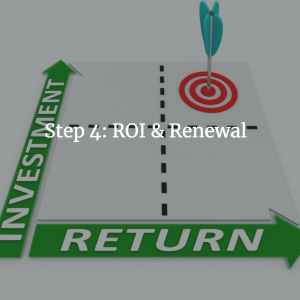
Step 4: ROI & Renewal
Once the project has achieved it main objectives the question becomes “Now What?”. In every sense of the word, there is an “end-state” with regards to transformation. Once you get there, you will experience the fact that the goal posts moved on you. This is another reason Agile methodologies are popular.
Meet with your workgroup and steering committee, does it make sense to continue. One key issue my customers have seen, is that transformation can lead to change for only change’s sake. There must be clear needs to continue. You can always reduce team cadence and let the needs of the business denote the tempo.
In summation, executing a digital transformation is a heavy commitment. The facts are that the change required is necessary to address industry climate. Nobody wants to buy a T1 anymore and that is a good thing! The good news is that meeting the needs of business is possible and profitable. Good luck transforming!
Key lessons learned for Digital Transformation:
- Collaboration = Commitment = Success – if you communicate effectively
- Select the best process and tools for your team. Do not fall into the conformity for its sake.
- Set achievable regularly delivered goals. Show consistently increasing value to the business.
- Focus on the present, but regularly plan for the future – and always communicate

About the Author
Serial entrepreneur and operations subject matter expert who likes to help customers and partners achieve solutions that solve critical problems. Experience in traditional telecom, ITIL enterprise, global manage service providers, and datacenter hosting providers. Expertise in optical DWDM, MPLS networks, MEF Ethernet, COTS applications, custom applications, SDDC virtualized, and SDN/NFV virtualized infrastructure. Based out of Dallas, Texas US area and currently working for one of his founded companies – Monolith Software.